About
One advisor, one narrow problem.
I am Scott Eichler. I work with people in California who are selling appreciated real estate and are staring at a tax bill that feels bigger than the sale itself.
That is the whole practice. I am not a generalist who also does 1031 exchanges. Deferring tax on a property sale, and deciding what the money should do next, is the work I have spent more than a decade on.
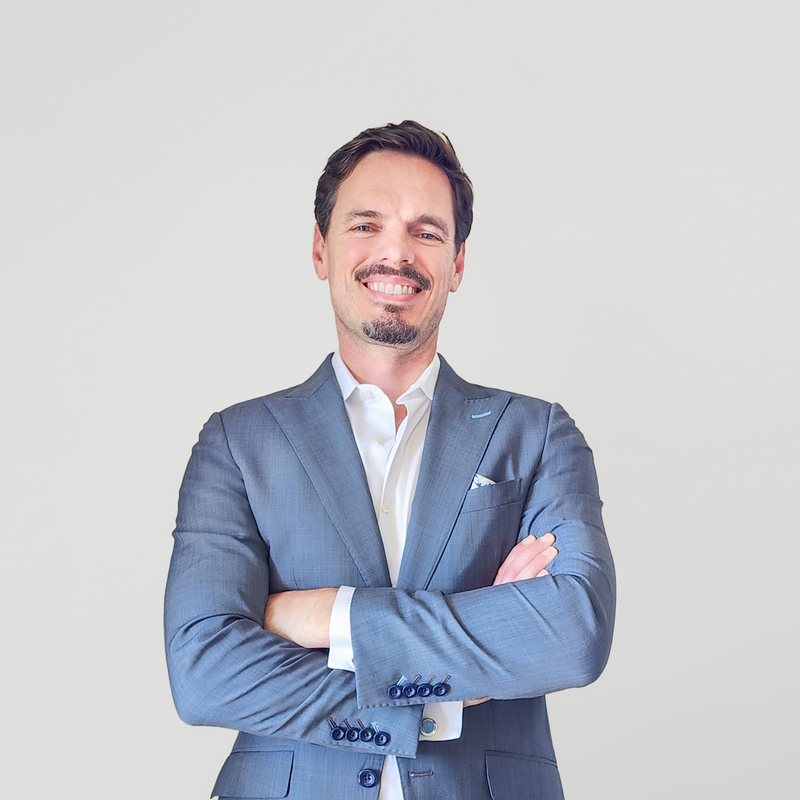
My father became an architect in 1972, so I have been around real estate my whole life. I have worked most of the jobs that sit between a drawing and a finished building: drafting, digging trenches, negotiating the financing. A property has never been an abstraction to me.
Now I get to continue what my family started, and help other families keep more of what they have built.
Why the focus is this narrow
A property sale gives you one shot. The clock on a 1031 exchange starts the day escrow closes and it does not stop for a learning curve. Forty-five days to identify, one hundred eighty to close. Miss it and the deferral is gone, permanently.
California adds its own layer on top of the federal rules. Form 593, the withholding, the way the state tracks a deferred gain out of state and expects it back. Most advisors see a handful of these in a career. I see them constantly, and the details other people gloss over are the daily work.
You are the one carrying the risk here. My job is to be the person who has already made the mistakes on someone else's timeline instead of yours.
How I am paid, including the awkward part
I am fee-based and a fiduciary. That means I am paid advisory fees rather than sales commissions on the investments I manage for you, and I am required to put your interests ahead of mine.
Here is the part most advisors leave out.
I am paid on the securities solutions I actually manage: a Delaware Statutory Trust, a Qualified Opportunity Zone fund, or a trust structure like a Charitable Remainder Trust. I am not paid when you do a plain 1031 into a rental property you pick out with your realtor and manage yourself. There are no securities in that, and nothing for me to manage.
So I have a financial reason to prefer the paths that pay me. Trusts bill at a higher rate than a DST or a QOZ fund, so there is a second layer to it. That is a real conflict of interest and I am not going to pretend it away. The answer is not to deny it; it is to name it, publish the fee schedule, lay out every option including the ones I earn nothing on, and tell you plainly when the simplest path or just paying the tax is the right call. Sometimes it is.
I also have two referral arrangements that pay me a commission, one with Sage Settlement Consulting for structured settlements and one with Transcendent Planning for fixed insurance products. Both are disclosed conflicts. Neither has anything to do with a 1031 exchange, and I am telling you about them here because you should not have to dig through a filing to find out.
The full fee schedule is here.
What I will not do
I will not take the whole deal. When a realtor sends me a client, I am there to keep the transaction alive and get the seller unstuck. I am not going to circle back for the buy side. That restraint is the point of the arrangement, and it is why the referrals keep coming.
I will not sell you a Delaware Statutory Trust because it happens to be the thing in front of me. Commissioned DST salespeople have a sharper version of my incentive and no obligation to tell you about it. If a DST is wrong for you, I would rather say so and keep the relationship.
Check me before you call me
You are about to hand someone the biggest financial decision of your year. Please verify them.
- I hold the Series 65, the investment adviser representative license. I do not hold a Series 7, which means I am not a registered representative of a broker-dealer and I do not earn securities commissions on trades.
- My record, including any complaints or disciplinary history, is public: look me up at adviserinfo.sec.gov (CRD 5431034), the SEC's database of investment advisers. Look up anyone else you are considering while you are there.
- BA in Rhetoric, Vanguard University. Before Savvy Advisors I was at Farther, and before that Newport Wealth Advisors.
Who Standing Oak actually is
This part confuses people, so here it is in plain language.
Standing Oak Advisors is a name, not a company that holds your money. It is a "doing business as" name I use for marketing. Investment advisory services are offered through Savvy Advisors, Inc., an investment adviser registered with the Securities and Exchange Commission. Standing Oak Advisors and Savvy are not affiliated.
Registration with the SEC does not imply any level of skill or training. It means the firm is registered, and nothing more. Savvy's Form ADV Part 2A brochure covers the firm, the investment risks, and the conflicts of interest in full detail, and it is worth reading before you work with anyone.
Practically: Savvy is the registered firm and the platform behind the work. Standing Oak is the sign on the door.
If that sounds like what you need
The first conversation is twenty minutes over Zoom and costs nothing. Bring your situation. We look at where you are, walk through the paths that fit, and I tell you the trade-offs of each one, including the ones that pay me nothing.